Question: Should I replace my sunscreen when it rolls into flakes under makeup?
SPF under makeup · Morning routine before checkout
Sunscreen pilling under makeup? Change one step before you buy
Before buying another sunscreen, change one routine step at a time. Pilling does not identify one cause: note when the flakes appear and which layers you used. Keep applying sunscreen as directed; try removing one optional makeup or skin-care layer instead.
Rico AI editorial: Reviewed against the sources below. Updated 2026-09-07.
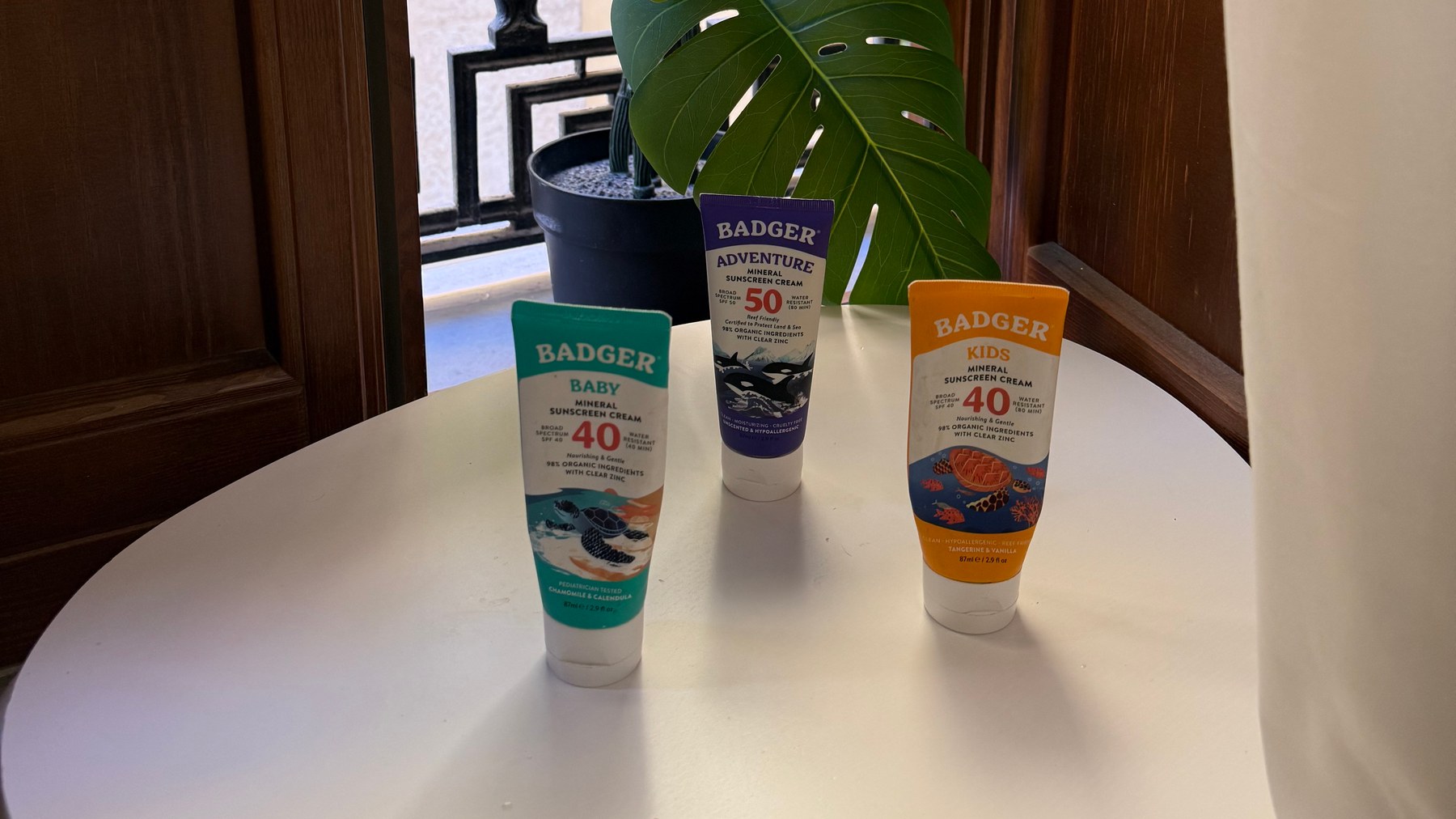
Question people ask
Should I replace my sunscreen when it rolls into flakes under makeup?
Direct answer
Before buying another sunscreen, change one routine step at a time. Pilling does not identify one cause: note when the flakes appear and which layers you used. Keep applying sunscreen as directed; try removing one optional makeup or skin-care layer instead.
Decision snapshot
What matters: Your sunscreen looks fine until makeup starts rolling it into visible flakes. That is a signal to slow the routine down, not guess at a single cause.
Next move: Scan one sunscreen in Rico, keep the exact ingredient list with the product decision, then change one step at a time instead of replacing the whole routine.
Best next guides
- Should I try PDRN skincare, or scan the label first?
- Will Anua Heartleaf Cleansing Oil break me out?
- Will TIRTIR Milk Skin Toner fit acne-prone or sensitive skin?
What usually happens
Your sunscreen looks fine until makeup starts rolling it into visible flakes. That is a signal to slow the routine down, not guess at a single cause.
Rico move
Scan one sunscreen in Rico, keep the exact ingredient list with the product decision, then change one step at a time instead of replacing the whole routine.
A September reset for the morning you actually have
You are getting ready, and your base starts rolling into little flakes. Now you are wondering whether you need another tube. If September brings you back to a busier morning routine, start here: keep the sunscreen, write down the layers, and choose one small change. You do not need a whole new shelf just because the calendar changed.
Why sunscreen pills
Pilling describes product rolling into small flakes on the surface. In Allure, dermatologist Anetta Reszko discusses product layering and application as possible contributors. That gives you things to check, not a diagnosis of your own routine. If you are separately worried about breakouts, use the sunscreen breakout guide as a separate product decision.
Try one optional layer less
On your next normal morning, keep the same sunscreen and follow its directions. Leave out one optional step, such as primer, while keeping the other products and their order the same. Note whether flakes start before or after makeup. If the finish changes, you have a clue worth checking again. If it does not, you have not proved the sunscreen is the cause. Keep prescribed care unchanged unless your clinician advises otherwise.
Keep your sun protection while you test
Do not solve pilling by using less sunscreen, mixing it with foundation, or skipping it. The American Academy of Dermatology recommends broad-spectrum, water-resistant SPF 30 or higher, enough coverage, and application before going outside. Reapply outdoors every two hours and after swimming or sweating. Follow your product label, too. If you wash the sunscreen off to restart your makeup, apply it again as directed before sun exposure.
Warm in San Diego, cooler elsewhere? Look at your day
A month is not a weather report. A reader in San Diego and a reader traveling in Europe may have very different days. Use your local conditions: will you be outside, swimming, or sweating? The FDA says water-resistant sunscreens are labeled for 40 or 80 minutes of swimming or sweating; none is waterproof. Shade and clothing help too. Cool weather is not a reason to pack sunscreen away.
Check the exact tube before replacing it
Check the full label on the tube you have: product name, directions, expiry, and ingredients. A label scan cannot predict pilling or guarantee clear skin. It can help you understand the product you are comparing. If the front label says non-comedogenic, read what that claim actually means before treating it like a guarantee.
Take one product question into Rico
Use the Rico AI app to scan the sunscreen label for a plain-language Skin Fit read. Bring one question: does this product make sense for my skin and routine? Use that read alongside the directions and what you notice when wearing it. Rico cannot measure the protection left after pilling. If you are shopping, the Sephora ingredient-check guide explains what to check before you spend.
When a finish problem needs a different kind of help
If your skin is burning, swollen, or has a lasting rash, stop using the product and ask a licensed clinician for advice. Do not keep testing it to improve your makeup. Routine and texture questions belong in this guide; a skin reaction needs its own assessment.
Better-fit swap path
If the same sunscreen keeps pilling in your routine, compare one alternative and keep the rest of the test as consistent as you can.
Turn this guide into one product decision
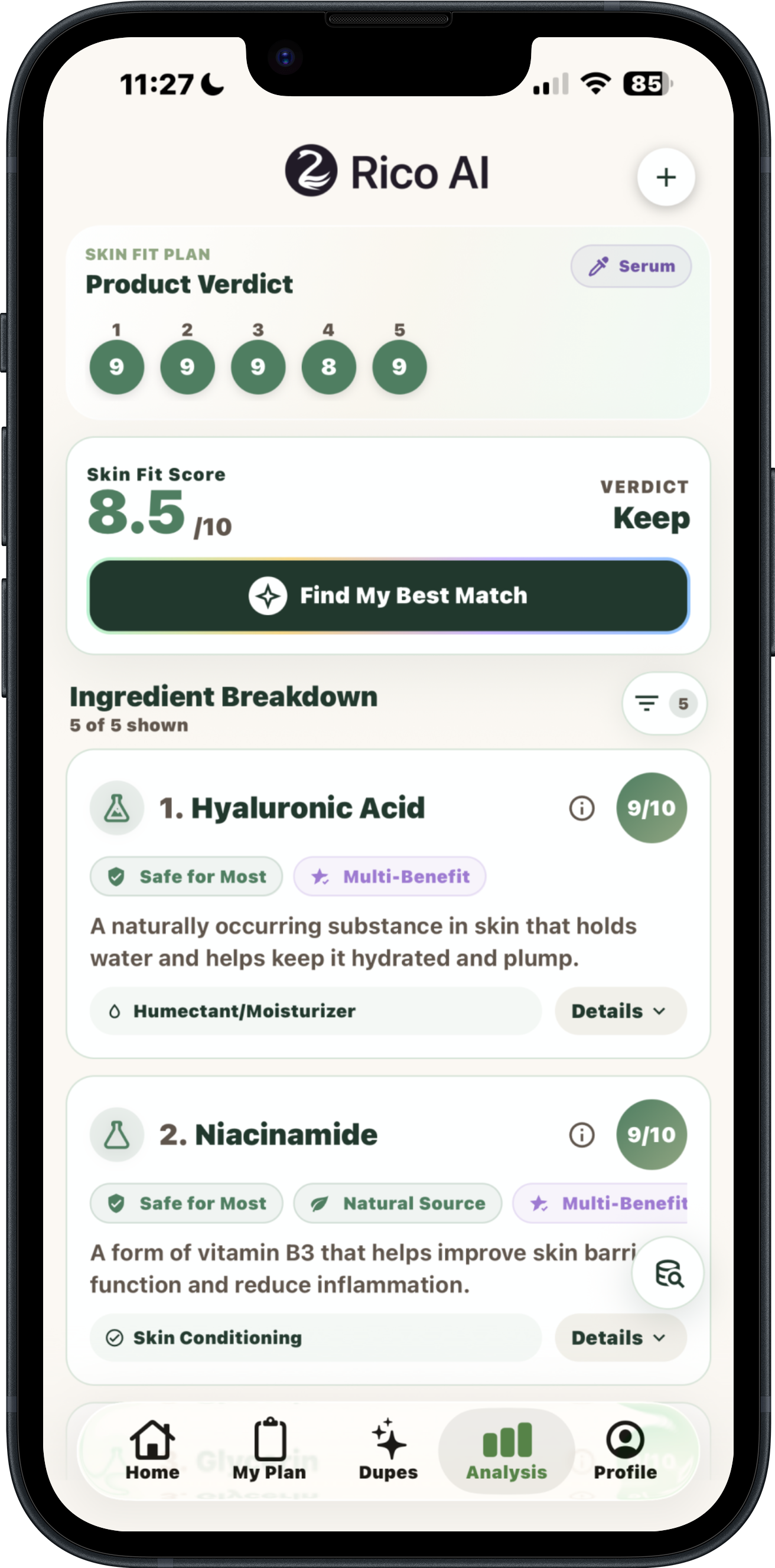
Free: Complete your first signed-in product check during onboarding and see Rico's plain-English Skin Fit result.
Sources and limits
These sources support the general guidance in this article. They cannot predict how one cosmetic will behave on your skin, and Rico does not diagnose or treat a skin condition.
- American Academy of Dermatology: How to apply sunscreen. Application and reapplication guidance from dermatologists; checked September 7, 2026.
- U.S. Food and Drug Administration: Sunscreen: how to help protect your skin from the sun. Explains the Drug Facts label, broad-spectrum labeling, SPF, water resistance, and use directions; rechecked September 21, 2026.
- Allure: Sunscreen under makeup: dermatologist commentary. May 22, 2026 reporting includes Anetta Reszko, MD, on possible layering factors. It does not prove the cause in an individual routine.
- American Academy of Dermatology: How to test skin care products. Gives dermatologist-reviewed steps for testing one new skin-care product before wider use and what to do after a reaction; rechecked September 14, 2026.
A note from Zee, Rico AI founder
Skincare shopping gets loud fast. I built Rico to help you slow down, read the product in front of you, and choose one next step without turning every ingredient into a warning.
Quick answers
Should I use less sunscreen so my makeup stops pilling?
No. Keep the amount and reapplication steps on the label. Try changing one optional layer, such as primer, instead. If you remove your sunscreen, apply it again as directed before going outside.
Does sunscreen pilling mean it caused my breakouts?
The flakes alone cannot tell you that. Pilling is a finish problem you can see. Persistent breakouts or a rash need their own assessment; a label scan cannot diagnose the cause.
Do I need to change my sunscreen just because it is September?
The month alone is not a reason to replace a product that works for you. Consider your actual day: time outside, sweating, swimming, and what you wear over the sunscreen. Keep sun protection even when it turns cooler.
Can Rico tell whether my sunscreen will pill?
No label scan can guarantee how products will sit together on your skin. Rico gives you a Skin Fit read of the product label to support your decision. Your own use of the layers still matters.
Built for a calmer product decision
Rico is your skin clarity coach for everyday skincare decisions: read or scan the label, understand the formula in plain language, and decide whether to buy, apply, compare, or skip. Rico gives educational Skin Fit guidance, not medical diagnosis or treatment.
Scan one sunscreen Get Rico to scan one sunscreen