Question: Is La Roche-Posay Cicaplast good for acne-prone skin, or will it feel too heavy?
Cicaplast fit check · Product comparison
Is La Roche-Posay Cicaplast good for acne-prone skin?
La Roche-Posay Cicaplast can be a smart barrier-support step for some acne-prone routines, but it is not automatically a daily moisturizer fit. Scan the full formula first so you can judge texture, routine role, and Skin Fit before buying or applying it.
Rico AI editorial: Reviewed against the sources below. Updated 2026-06-23.
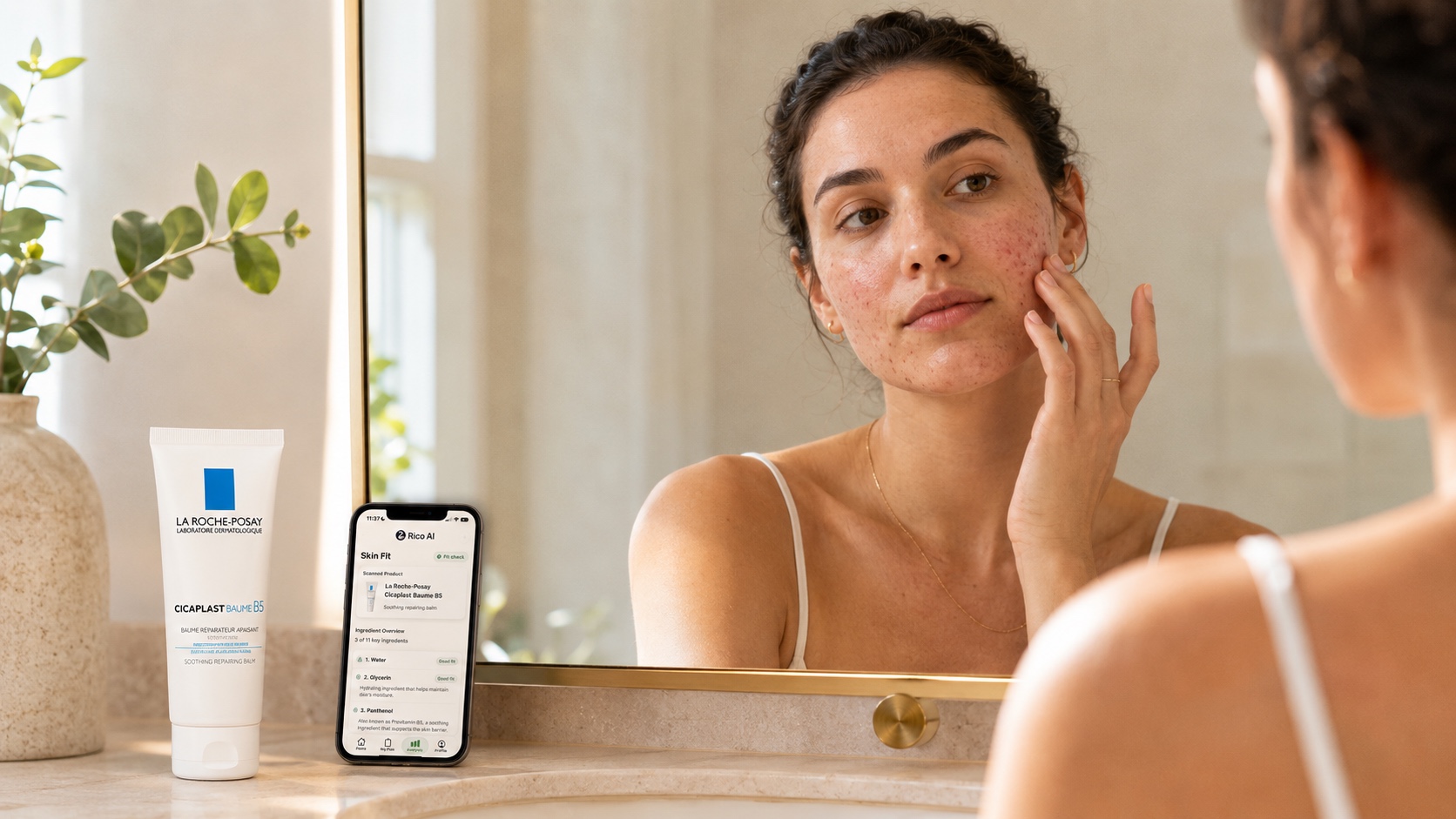
Question people ask
Is La Roche-Posay Cicaplast good for acne-prone skin, or will it feel too heavy?
Direct answer
La Roche-Posay Cicaplast can be a smart barrier-support step for some acne-prone routines, but it is not automatically a daily moisturizer fit. Scan the full formula first so you can judge texture, routine role, and Skin Fit before buying or applying it.
Decision snapshot
What matters: A famous repair balm can be helpful and still be the wrong daily texture for your current skin.
Next move: Use Rico to scan or paste the Cicaplast ingredient list before checkout. Rico gives you a Skin Fit read so you can decide whether this balm looks like support, overload, or a better-fit swap moment for acne-prone skin.
Best next guides
- Pore-clogging ingredients checker for acne-prone skin
- Best skincare scanner app for acne-prone skin
- Will Anua Heartleaf Cleansing Oil break me out?
What usually happens
A famous repair balm can be helpful and still be the wrong daily texture for your current skin.
Rico move
Use Rico to scan or paste the Cicaplast ingredient list before checkout. Rico gives you a Skin Fit read so you can decide whether this balm looks like support, overload, or a better-fit swap moment for acne-prone skin.
Start with the job of the balm
Cicaplast-style balms are usually bought when skin feels stressed, dry, tight, over-exfoliated, or irritated. That does not make them automatically right or wrong for acne-prone skin. The better first question is simple: what job do you need this product to do? If you need a short-term comfort layer, a richer balm may make sense. If you need a daily moisturizer under sunscreen and makeup, texture and layering matter more. Use Rico to scan the formula before checkout so you are not deciding from reputation alone.
Why acne-prone shoppers get stuck
The confusing part is that acne-prone skin can also be barrier-stressed. Dermatology guidance often pairs acne routines with moisturizer because common acne treatments can dry or irritate skin. At the same time, a repair balm can feel too heavy, too sealed-in, or too hard to repeat every morning. That is why the acne-prone moisturizer check matters: you are not asking whether a brand is good. You are asking whether this exact formula fits your skin day.
Check the full formula, not the fame
Barrier-repair coverage often focuses on helpful ingredient families like ceramides, cholesterol, panthenol, niacinamide, colloidal oatmeal, glycerin, and other moisturizing support. Those clues are useful, but they do not replace the full Skin Fit read. Look at texture, fragrance pattern, active load, oils, waxes, butters, and how the balm sits beside retinoids, exfoliants, sunscreen, or acne products. If you are not sure what to look for, start with the barrier repair cream guide and then scan the exact label.
Make the Skin Fit decision before the brand decision
The brand name can get the product into your cart. Your skin state should decide whether it belongs on your face today. If your skin is actively breaking out, oily, congested, or trying to tolerate acne treatment, scan the label and ask whether this balm is the support step, the overload step, or a product to reserve for specific dry patches.
Choose the calmer next step
If the formula looks supportive and the texture fits the way you will use it, try it slowly and keep the rest of the routine simple. If it looks too rich for daily acne-prone use, compare a lighter moisturizer before you spend. Rico is built for this exact decision: scan the label, understand the Skin Fit, and choose the next calm step. If you are comparing products, use the CeraVe vs La Roche-Posay guide as your next read.
Better-fit swap path
If the balm looks too rich, occlusive, fragranced, or hard to layer, compare a lighter barrier-support moisturizer before you buy another product you may not use.
Turn this guide into one product decision
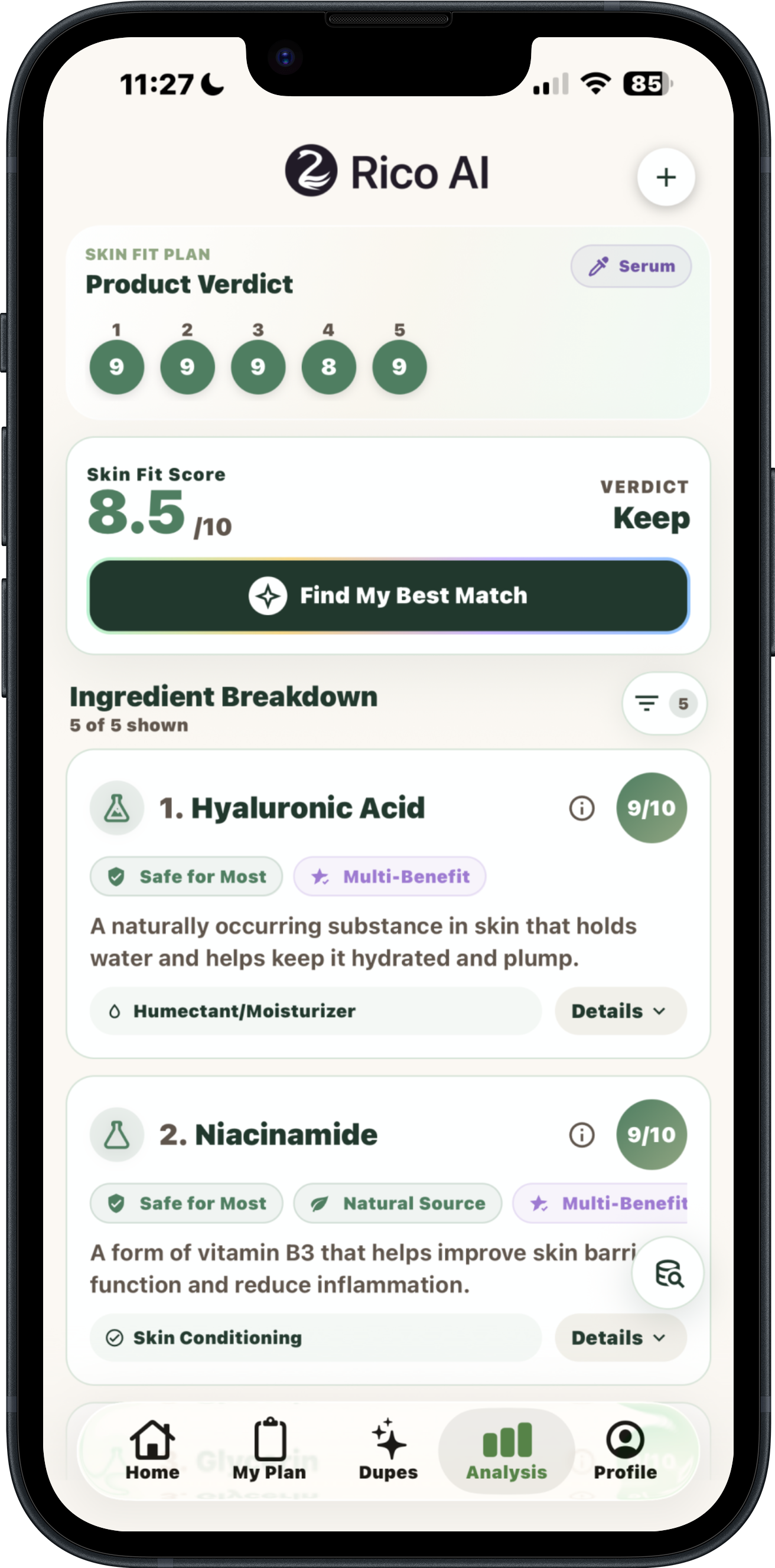
Free: Complete your first signed-in product check during onboarding and see Rico's plain-English Skin Fit result.
Sources and limits
These sources support the general guidance in this article. They cannot predict how one cosmetic will behave on your skin, and Rico does not diagnose or treat a skin condition.
- American Academy of Dermatology: Moisturizer and acne-prone skin. Explains why moisturizer can matter in acne routines and how to read acne-friendly label language.
- American Academy of Dermatology: Acne skin-care tips. Offers dermatologist-reviewed guidance on gentle routines, sunscreen, and avoiding irritation.
- American Academy of Dermatology: Moisturizer and barrier support. Provides dermatologist-reviewed context for gentle, fragrance-free moisturizer use on dry, reactive skin.
A note from Zee, Rico AI founder
Skincare shopping gets loud fast. I built Rico to help you slow down, read the product in front of you, and choose one next step without turning every ingredient into a warning.
Quick answers
Is La Roche-Posay Cicaplast good for acne-prone skin, or will it feel too heavy?
La Roche-Posay Cicaplast can be a smart barrier-support step for some acne-prone routines, but it is not automatically a daily moisturizer fit. Scan the full formula first so you can judge texture, routine role, and Skin Fit before buying or applying it.
What should I do before buying this product?
Use Rico to scan or paste the Cicaplast ingredient list before checkout. Rico gives you a Skin Fit read so you can decide whether this balm looks like support, overload, or a better-fit swap moment for acne-prone skin.
What if this product does not look like a good fit?
If the balm looks too rich, occlusive, fragranced, or hard to layer, compare a lighter barrier-support moisturizer before you buy another product you may not use.
Built for a calmer product decision
Rico is your skin clarity coach for everyday skincare decisions: read or scan the label, understand the formula in plain language, and decide whether to buy, apply, compare, or skip. Rico gives educational Skin Fit guidance, not medical diagnosis or treatment.
Check one ingredient list free Get Rico for iPhone